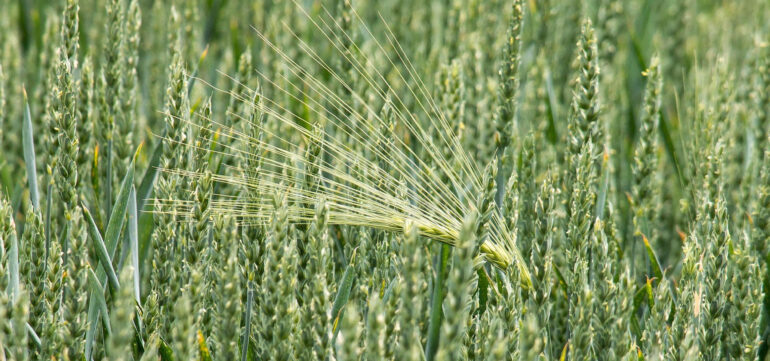
Wheat
Wheat is one of the most fundamental and valuable grain products in the livestock industry, ensuring that the high energy and protein requirements of animals are met. Thanks to its high nutritional value and digestibility, wheat is utilized in all rations where yield increase is targeted. These animals include cattle, small ruminants, poultry, and farm animals.
Although the livestock sector nowadays leans towards alternative feed ingredients, traditional grains remain the main source of energy and nutrition in the majority of active operations. Irregular feed quality and rising costs lead to major disruptions in feeding programs. As accessing quality raw materials becomes harder day by day, maintaining animal health and operational profitability becomes increasingly challenging.

Research & Analysis
You can safely use our products, which are produced in state-of-the-art technological environments.

Sales & Support
You can reach us 24/7 via our contact details for all our products.
In short, wheat serves to elevate the energy and protein balance of the ration in animal nutrition. Thereby, animals are expected to meet rapid development, high meat, and milk yield standards. To fully understand the function of this product, which consists of high proportions of starch, gluten, and amino acid components, it is worth taking a brief look at its journey through the animal’s digestive system.
Used to enhance the condition and performance scores of animals, wheat consists of highly digestible starch and rich plant protein. Added to the ration in ground or crushed form, wheat dissolves rapidly upon entering the rumen and digestive tract, increasing the activity of beneficial bacteria. Broken down easily by enzymes in the stomach and intestines, glucose and protein molecules are absorbed directly into the bloodstream, supporting muscle and tissue formation. Thus, the efficiently metabolized nutrients manifest as high live weight gain and quality milk production.