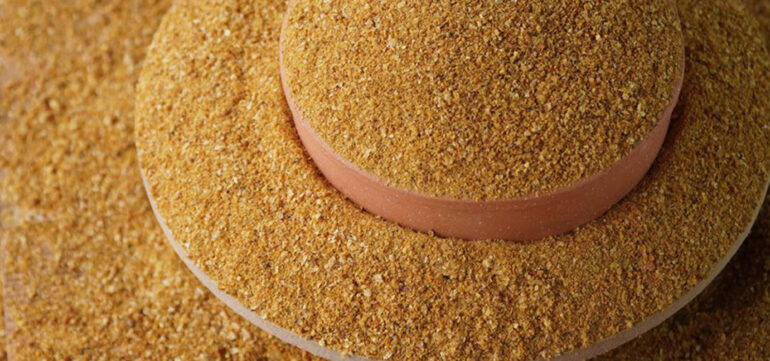
DDGS (Dried Distilled Grains and Solubles)
DDGS (Dried Distillers Grains with Solubles) is a non-synthetic, natural feed raw material with high nutritional value, obtained after grains (especially maize and wheat) are fermented and alcohol is extracted during bioethanol production. Used to meet protein and energy requirements in the livestock industry, DDGS is widely preferred in cattle, small ruminant, and poultry feeds.
Today, the livestock sector is leaning towards more efficient solutions driven by increasing costs and the search for quality feed ingredients. Balanced animal nutrition and sustainable increases in milk/meat yield are of critical importance for operational success. As feed costs rise day by day, protecting farm budgets and animal health becomes increasingly challenging.

Research & Analysis
You can safely use our products, which are produced in state-of-the-art technological environments.

Sales & Support
You can reach us 24/7 via our contact details for all our products.
What is DDGS used for?
In short, DDGS in both liquid and dry forms serves to increase the proportion of protein, bypass fat, and digestible fiber in animal feeds. Thereby, it is expected to lower ration costs and support animal metabolism. To fully understand the function of this product, which consists of high protein and digestible nutrients, it is worth taking a brief look at its journey through the digestive system.
How does DDGS work?
Used to elevate nutritional value in ruminant and poultry rations, DDGS consists of high proportions of crude protein and rich energy components. Having a structure suitable for the ruminant digestive system, this feed raw material increases the feed conversion ratio by enhancing the activity of beneficial microorganisms in the rumen. Passing through the digestive tract, nutrients are absorbed directly in the small intestine thanks to the high bypass protein ratio, entering the bloodstream and meeting amino acid requirements. Thus, efficiently broken down and digested nutrients contribute directly to animal growth, meat, and milk yield.